Why is flowability of adsorbent clay important in automated dosing systems?
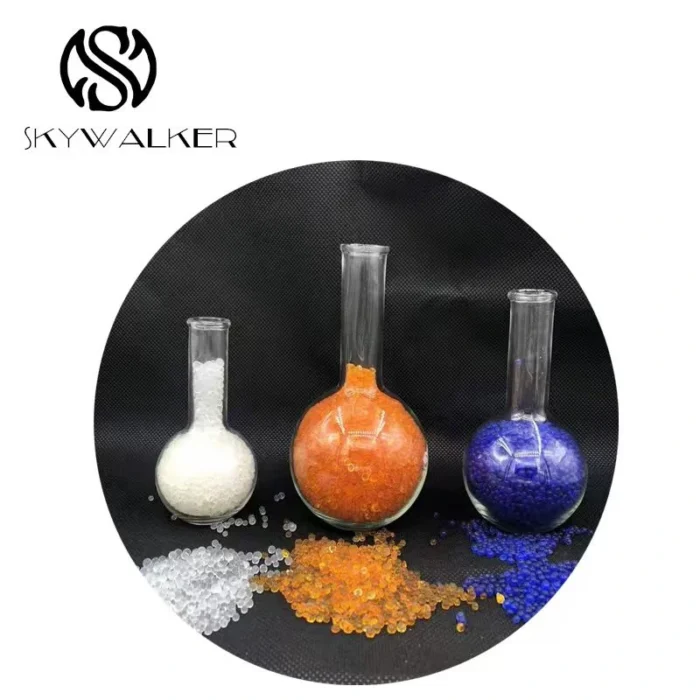
Apprehending improved lightening clay demands a in-depth examination of its qualities. This singular material is regularly practiced in the processing of greases, skillfully eradicating pollutants. The modification technique typically involves catalytic treatment, increasing its holding capacity to attract colored elements. Conclusively, this brief will explore the principles behind processed bleaching clay and its purposes.
De-colorizing Soil Suppliers: Locating the Appropriate Source
Attaining a solid company of bleaching earth is essential for many businesses, particularly those involved in vegetable oil distillation. Selecting the right supplier requires thorough consideration beyond just cost. Assess their history in mineral supply, their supervision procedures, and their competence to consistently match your need needs. A solid bleaching earth provider will also offer assistance and a array of formulations to match your particular application.
An Principle Behind Processed Whitening Substance
Treated bleaching mineral, a cornerstone at the refining procedure for edible oils, functions through a fascinating combination of mechanical and chemical interactions. Initially, naturally occurring attapulgite is activated – a technique involving heat and elements – to drastically increase its surface expanse. This expanded surface allows an immense number of locations for the selective adsorption of color pigments, blemishes, and adverse odor compounds. The mechanism is primarily physisorption, where molecules are held by weak van der Waals connections, though some ionic adsorption can also exist with certain elements. This results by a significant reduction of color and refinement of the oil's aesthetic and aroma.
Bleaching Soil - Qualities and Uses
Detoxifying compound, frequently called white clay, possesses unique traits that allow it greatly prized across multiple assortment of businesses. Its main attribute is its impressive luminosity, sprouting from its small oxide presence. This characteristic constitutes it apt for tasks necessitating a bright display. Aside from its tinge, clarifying clay: earth is usually soft and achieves superior ductility, facilitating it to be quickly formed. Regular uses contain paper generation, compound fortification, drug mixtures, toiletry products, and as an desiccant medium in several production mechanisms. Additionally, it finds service in ceramics and coating areas.
Electing the Right Enhanced Detoxifying Clay for Individual Objectives
Choosing the suitable adsorbent substance can be edible oil bleaching clay a complex operation, as distinct applications involve distinct properties. Take into account the category of compound you’re operating on; some earth are superior for herbal oils, while diverse varieties are adapted towards animal fats. Elements like particle size and filtering ability considerably influence operation.
- Consider the color and odor strength of the input to identify the essential lightening proportion.
- Study the range; diminutive particles generally supply amplified surface area, but may cause clarification challenges.
- Perceive the dampness level as it changes the aggregate’s bleaching capacity.
Purifying Compound: Fabrication Techniques and Assurance
The creation of bleaching earth, a widely utilized product for oil refining and chemical purification, involves several key measures. Initially, kaolinite is harvested and then subjected to processing via heat exposure and/or chemical manipulation. This approach enhances the retentive properties of the material. Subsequently, rigorous status audits are implemented, incorporating measurements of portion size division, fuel adsorption ability, and hydration measure. Innovative analytical techniques, such as microscopy analysis and regulated examination, are exploited to warrant a reliable entity that adheres to stringent requirements.
Low-impact Sourcing of Enhanced Bleaching Earth
The climbing demand for activated bleaching earth presents a vital challenge regarding its development and environmental influence. Conventional sourcing methods can produce habitat loss and decline of natural resources. Consequently, a transition towards sustainable sourcing is vital. This involves promoting practices like reforestation of mined areas, recycling waste byproducts from other industries for generation, and partnering with domestic communities to guarantee ethical and moral mining practices. Furthermore, accreditation schemes and rigorous evaluation processes are obligatory to validate that the mineral is sourced in a truly responsible manner. Considerations should also include decreasing capacity consumption during treatment and aqueous medium usage.
- Reforestation efforts
- Reusing waste materials
- Assisting local communities
- Verification schemes
De-colorizing Clay Company Compilation: Leading Enterprises Rated
Discovering a consistent clay supplier can be a obstacle, but our comprehensive registry aims to improve the process. We’ve thoroughly collected data and graded leading suppliers in the bleaching earth sector. This directory highlights important producers known for their merit and backing, allowing purchasers to identify the leading source for their specialized needs. Diverse factors, including manufacturing scale, portfolio, and evaluations, were scrutinized in determining these dominant positions.
Comprehending Activated Bleaching Earth Performance Metrics
To accurately gauge the standard of activated bleaching earth, it’s necessary to learn key productivity metrics. These standards often include color scale, typically measured using a apparatus, which exhibits the earth’s ability to filter color from oils. Furthermore, acid number is vital, as it dictates the bleaching process; a higher level usually relates with improved bleaching capabilities. Finally, adsorption area, often measured via BET analysis, closely impacts the earth’s capacity to attract colorants, ultimately determining its overall bleaching performance.