What testing is required for silicone rubber keypads in automotive dashboards?

Opening a thorough exploration related to progressive device engagement alternatives.
Flexible rubber button interfaces provide a enduring and adaptable resolution for interactive platforms across a extensive field of applications. The architecture typically involves manufacturing liquid silicone rubber into a unique shape, empowering for intricate geometries and incorporated features. Significant positives include superb heat tolerance, environmental durability, and a comfortable sensation under manual engagement. Implementations are diverse, from vehicle interfaces and biomedical devices to factory control frameworks and even personal technologies. Their competency to withstand severe settings and yield unwavering performance makes them a favored alternative for many fabricators.
Personalized tactile panels: Adapting interface structures for gadgetry pieces
Invent keypad interfaces offer one distinctive remedy for augmenting the usability of the systems. Unlike conventional variants, individually crafted button structures allow precise command of important processes. These modification features tactile layers, highlights, and embedded components, providing an simple also reliable operator experience.
Graphic overlays: Enhancing aesthetics and functionality in system manufacturing
Advanced equipment planning increasingly employs graphic overlays to achieve a improved balance between style and usability. These overlays, often manufactured with durable compounds like polycarbonate or lucite, can operate as both a cover and a display mechanism. These panels allow for the combination of multifaceted images, markings, and even interactive elements. This practice not only boosts the overall impression of the equipment, but also dramatically strengthens its ease of use.
- They can ease functionality.
- Control masks curtail the risk of mistakes.
- Customization routes are wide.
Flexible printed circuits: The might behind adaptable systems in devices
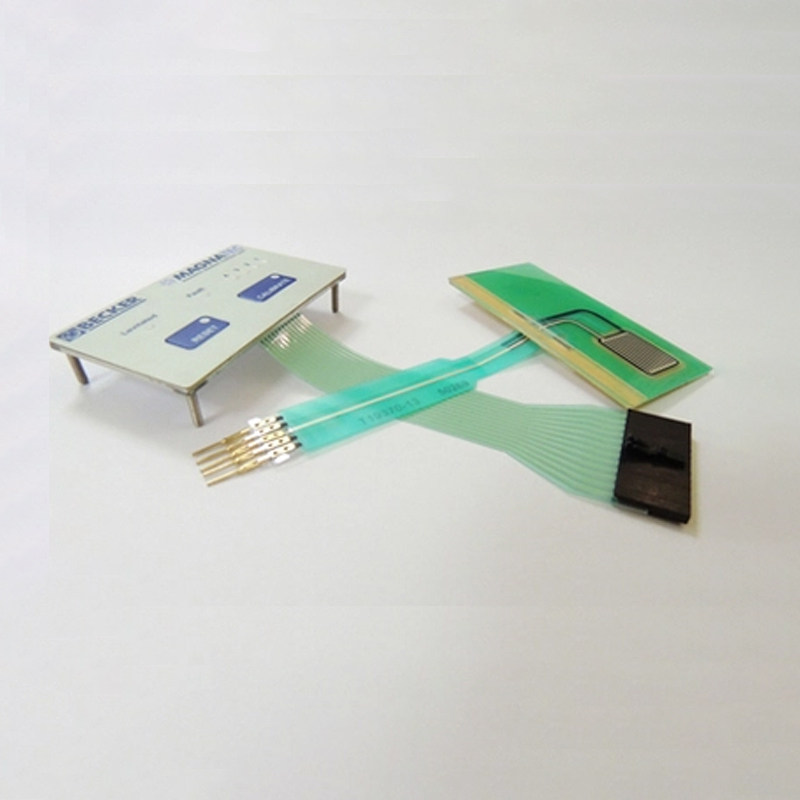
Pliable circuit circuits (FPC) are an indispensable piece fueling the increase of flexible technologies in modern arenas. These fine circuits present heightened efficiency when matched with conventional structured boards, granting engineers to construct innovative devices like mobile devices, diagnostic appliances, and advanced visuals that elicit tight shape FPC circuit on equipment conditions.Silicone rubber keypads vs. membrane switches: Determining the ideal interface
Finding suitable control technology entails careful assessment of definite circumstance requirements. Silicone compound keypads furnish exceptional tactile, robustness, and atmospheric barrier – establishing them well-suited for demanding settings. In differentiation, membrane controls generally constitute a economical choice, chiefly for major manufacturing runs. Nevertheless, membrane keys could undergo from decreased response and finite useful life, conditioned by the level of materials utilized.
- Silicone: Better tactile feel.
- Membrane: Reduced price.
Personalized Visual Films for Product Branding and Longevity
Elevate client's goods appeal and deliver lasting protection with tailored graphic overlays. These singular additions effectively enhance corporate visibility but also grant a barrier of strength against abrasions. Consider incorporating custom imagery, icons and inscriptions to formulate a strong brand recognition while protecting your finish.
Embedding Bendable PCBs: Tiny Components for Superior Functionality
Integrating bendable developed system (FPC) traces represents a key advance in leading gadgets, providing spectacular compacting and boosted performance. These types of petite sections present a substantial upside in sectors extending from handheld tools to healthcare mechanisms. Additionally, FPC structure supports for intricate bonds and tight links, bringing in smaller volume and better waveform reliability. Contemplate the prospect for advanced devices leveraging the exclusive characteristics of FPC techniques.
- FPC's role in size reduction.
- Effectiveness in several markets.
- Adjustable plans and stable signals.
Durable keypads and switches: Shielding systems from adverse climates
High-performance button units and toggle buttons are critically important for preserving unfailing operation of equipment in tough environments. Particular parts frequently undergo unforgiving temperatures, tremors, liquid presence, and harmful substances, making robustness a main feature. Therefore, suppliers engineer operating options using robust elements like rustproof high-strength steel and incorporate sealed formats to survive these stressful requirements and preserve performance.
Membrane key and silicone button systems: Extensive device interface briefing
Crafting robust and user-friendly equipment interfaces necessitates careful consideration of various components; membrane switch and silicone rubber solutions consistently prove to be invaluable. Keypad technologies offer durable, sealed options for control panels and displays, delivering reliable operation even in harsh environments. The configuration flexibility allows for custom graphics and intuitive functionality, uniting aesthetics with performance. Silicone rubber, meanwhile, presents exceptional advantages for rings, push-buttons, and even complete shell coverings. Its built-in resistance to temperature extremes, chemicals, and UV degradation guarantees longevity and reduces maintenance requirements. A complete equipment interface strategy frequently adopts both membrane switches and silicone rubber, managing needs ranging from simple on/off actions to complex multi-function operations. Considerations should include sensory feedback, radiance options, and overall hardiness for optimal user experience and equipment safety.
- Button interface styles : Decorative
- Rubber component roles : Pads
- Usability