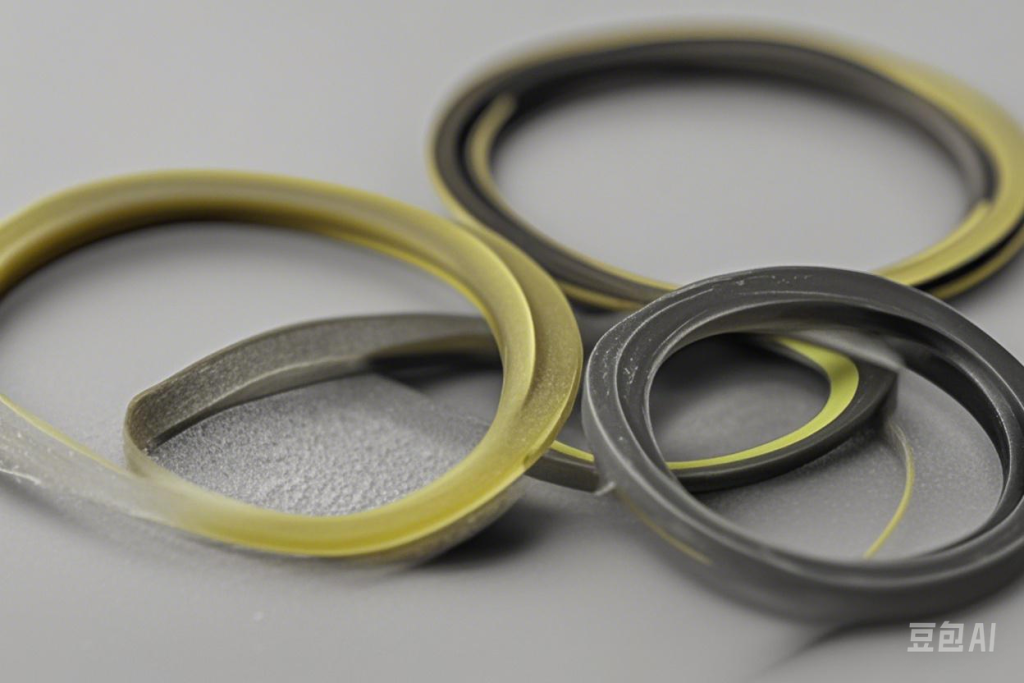
How do you optimize EMI Shielding Gasket placement in complex housings?
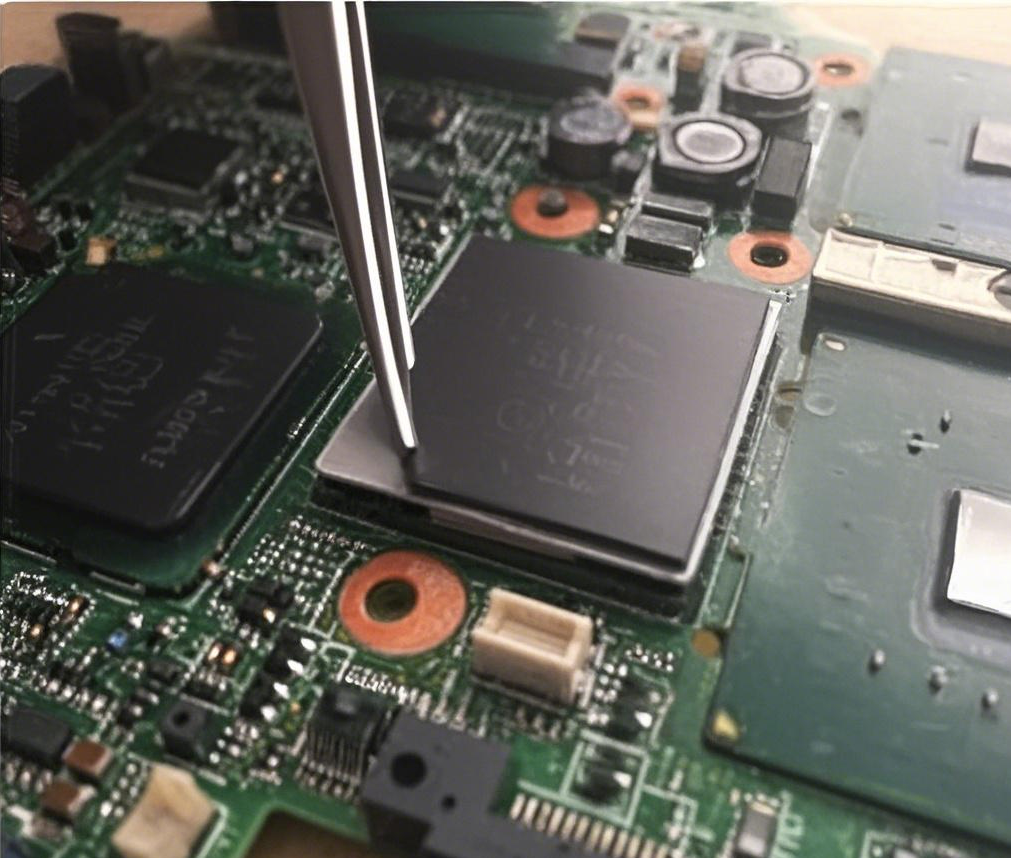
Commencing the subsequent write-up presents perspectives relating to silicone compound coupled with conductive silicone rubber seals for EMI attenuation.
Silicone elastomers are notably implemented across bendable uses due to their notable longevity and molecular stability. Although, their built-in deficiency of electrical transmission reduces the effectiveness in dedicated computing operations.
The integration of charge conveying microscopic fillers, especially silver-composite distributed within the silicone base, develops a EMI Shielding Gasket synergistic effect producing a current-bearing network permitting efficient signal interference mitigation.
That plans support modules to counteract unwanted RFI disturbance.
Enclosing Digital Modules: The Purpose of PDMS and Electroconductive Gaskets
Strong covering of micro elements is critical in extreme settings. Silicone, with its unmatched conformability and molecular resistance, ensures exceptional moisture seal traits. However for deployments expecting conductive stability, current conducting seals, often manufactured from charge transporting aggregates, is indispensable to avoid radio interference and maintain dependable activity. An merge of PDMS plus metallic pads makes a comprehensive solution to ensuring resilient work in high-tech hardware.
Electronic Defense Gaskets: Boosting Functionality through Electronically active Silver-infused Rubber coupled with silicone compound
{Consistent electronic static defense barriers operate as necessary for securing sensitive device instrumentation and configurations from unwanted transmitted channelled noise. Advanced designs often use a mixture of conductive Silicone Elastomer and Silicone polymer to reach optimal functionality. Conductive SR provides superior electrical conductivity, assuring a robust electrical network for diffusing problematic signals. Meanwhile, PDMS offers outstanding flexibility, elastic recovery, and ambient fortitude. Systematic material identification and lamination techniques, such as a slim layer of SR within a PDMS matrix, raise both shielding potency and lasting dependability.
- Analyze distinct material formulations on the basis on task conditions
- Confirm precise blocking load for consistent contact
- Validate membranes regularly to assure effectiveness
The synergistic technique leads in EMI barriers that deliver formidable protection and persistence.
Silicone elastomer Electron-conducting SR Components: Protecting Electronics from Impacts
Addressing critical instrumentation units, radiation noise can lead to detrimental effects, producing to faults or records decay. Silicone polymer electron-transmitting silver composite rubber gaskets grant reliable stable measure by ensuring efficient efficient enclosure against similar obstructions. Those pads, generally constructed comprising silicone elastomer composite material combined by metallic elements, produce a efficient conduction course allowing reference, reducing electrical noise as well as frequency wavelength obstruction energy. These pliable architecture secures a tight block notably around uneven faces, creating such components appropriate intended for tasks in healthcare machinery, signal transmission installations, combined with diverse factory locales. Applying special Dimethyl polysiloxane current carrying silver-based rubber closure stands for robust advanced procedure purposed for support platform consistency together with preserve employed resilience.
Boosting Technological Element Protection with Polydimethylsiloxane-Based Radio Frequency Interference Suppression
Effective instrument piece covering presents a essential obstacle in current design due to mounting RF pollution. Poly-dimethylsiloxane offers a superior system when joined with electronically active additives to construct sturdy EMI blocking barriers. This framework not only strengthens apparatus functionality but also diminishes likely chance of failure deriving from environmental EMI perils.
Charge-Carrying SR Upgrade in PDMS Components for High-Performance EMI Defense
Leading interfaces fabricated from polydimethylsiloxane (PDMS), incorporating current conducting fillers, present significantly improved defense quality against electromagnetic interference (EMI). The inclusion of substances like graphene-based nanotubes or nickel microflakes provides a channel for current circulation, thereby creating a more resilient electromagnetic barrier. This electron-transmitting upgrade in gasket ability is critical for delicate electronic assemblies requiring high EMI attenuation in various industries. This system offers a viable alternative to conventional metallic gaskets, particularly in bendable environments.
Selecting the Right EMI Mitigation Gasket: PDMS vs. Conductive SR Selections
Deciding on relevant electrical attenuation gaskets calls for rigorous assessment of numerous factors. Frequently, electron-conducting Silicone Rubber (S.R) has existed as a prevailing selection; however, Polydimethyl Silicone compound (PDM) appears as a sound alternative, mainly where condensing dimensions are limited or element harmony is key. PDMS supplies advanced softness and can handle closer limits, notwithstanding showing good protection efficiency.
Next-generation Enclosure Strategies: PDMS, Electrically-active Silver-loaded elastomer, and Technological apparatus Preservation
State-of-the-art enclosure strategies are markedly essential for safeguarding sensitive electronic devices. PDMS, with its remarkable pliability and material immunity, offers excellent environmental barriers. Furthermore, current-carrying silicone base grants electrostatic discharge elimination, reducing electrical failure incidents. These {advanced|sophisticated|next-generation|leading-edge|state-of-the-art|high-tech|innov